Malnutrition can slow healing and impact quality of life, but a well-designed Medication Pass Program can help bridge this gap by delivering calorie- and protein-dense supplements alongside routine medications. Learn how you can implement an effective Medication Pass Program without making drastic alterations to your patient’s mealtimes or lifestyles.
What is a “Med Pass” Program and Why is it Needed?
Maintaining adequate nutrition is critical for overall health and healing – especially in long term care and clinical settings where many residents/patients face unique challenges in meeting their dietary needs. In fact, many older adults are at risk for malnutrition. Recognizing this, healthcare facilities may wish to implement specialized nutrition support protocols to ensure that at-risk individuals receive the proper nourishment their bodies require.
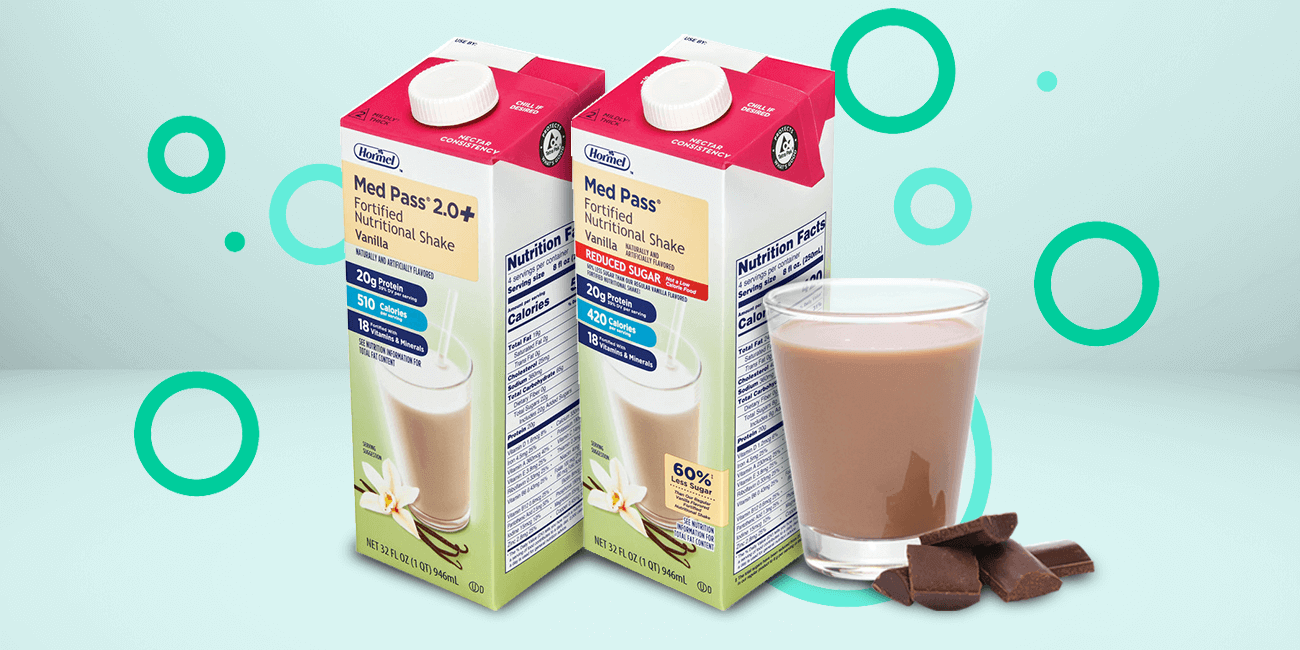
One protocol involves providing small amounts of a calorie and protein-dense supplement designed explicitly for nutritionally at-risk residents with each medication pass (med pass). Generally, a 2.0 product (2 calories per mL) is utilized, such as MED PASS® 2.0 Fortified Nutritional Shakes. Nursing staff give the supplement as part of their medication routine, and small amounts are generally well-tolerated.
Who Qualifies for a Medication Pass Program?
Residents at nutritional risk might be great candidates for a medication pass program. Before starting, a registered dietitian nutritionist (RDN) will assess the resident to ensure extra calories and protein are needed and review the resident’s weight goals.
Residents who may benefit include those who have poor oral intake, are underweight, have experienced significant unintended weight loss, or have medical conditions that increase their nutritional needs. Conditions like stage II (or greater) pressure injuries, cancer treatment, infections, and cardiopulmonary disease (COPD) often require more calories and protein than regular meals can provide.
What About Residents with Diabetes or the need for Controlled Carbohydrates?
If an individual is nutritionally at-risk and requires carbohydrate control, many companies use a reduced sugar version of a 2.0 calorie/mL product, such as MED PASS® 2.0 Reduced Sugar Vanilla. In these cases, the reduced sugar formulation helps meet nutritional needs without compromising blood glucose management.
The reduced sugar version is intended for residents who:
- Require high protein and calorie intake due to pressure injuries (stage II or higher) or multiple pressure injuries, or wounds.
- Have medical conditions necessitating controlled carbohydrate intake, such as insulin-dependent diabetes.
The Importance of Timely Referrals
Early and appropriate referrals for nutrition support can make a significant difference in health outcomes, including:
- Faster wound healing
- Improved strength and energy
- Reduced risk of complications related to malnutrition
- Better quality of life
Care teams including nurses, RDNs, and physicians should remain vigilant in monitoring signs of nutritional risk and act quickly to implement interventions.
Program Implementation
Start small. Find a few residents who may benefit from the program. Have the RDN or designee assess the individual’s calorie and protein needs and make a recommendation. Ensure that nursing staff have been trained on the process to guarantee program success and product safety.
“The Med Pass Program helps to ensure that our residents are getting the nutrition interventions they need to combat unintended weight loss, pressure injuries, wounds, and malnutrition. By having nursing pass the supplement and document acceptance in the MAR, we can be confident that our residents are getting what they need to improve their health,” says Suzanne Cryst RDN, CSG, LD.
At Lyons Health Labs, we created a roadmap to assist you. Refer to this step-by-step guide to implement the MED PASS® Medication Pass Program.
Final Thoughts
Implementing a medication pass program is a vital tool in the fight against malnutrition in clinical and long term care settings. When healthcare providers follow the referral guidelines, they help ensure residents get the personalized support they need to stay healthy and strong.
Nutrition isn’t just about eating—it’s about healing, strength, and dignity. Programs like our MED PASS® Medication Pass help make these goals possible.